How Does GLP-1 Work for Weight Loss? | DietApp.com
- suport suport
- Jul 5
- 2 min read

Updated: 4 days ago
Understanding how GLP-1 works for weight loss starts with what these medications actually do in the body — and it isn't what most people assume. GLP-1 medications cause weight loss primarily through appetite suppression, not by burning more calories or blocking fat absorption. They work by activating GLP-1 receptors in the brain's appetite-control centers and by slowing how quickly food leaves the stomach — the combination reduces how much a person eats and how hungry they feel between meals, without requiring conscious restriction.
How Does GLP-1 Work for Weight Loss? A Step-by-Step Breakdown
1. Appetite suppression in the brain.GLP-1 receptors in the hypothalamus and brainstem respond to these medications by reducing hunger signals and increasing fullness after smaller amounts of food.
2. Slower gastric emptying.Food stays in the stomach longer, extending fullness after a meal and reducing hunger cues throughout the day.
3. Reduced "food noise."Many patients report less preoccupation with food and fewer cravings — a downstream effect of the appetite-center activity above, and often the change patients notice most.
Because the mechanism is appetite reduction, weight loss tracks closely with how much less a person naturally eats — which is also why what's eaten in that smaller volume matters more than it did before.
What the Clinical Trials Actually Show
STEP 1: semaglutide (Wegovy) produced average weight loss of 14.9% of body weight at 68 weeks in adults without diabetes.
SURMOUNT-1: tirzepatide (Zepbound/Mounjaro) produced average weight loss of 16.0%, 21.4%, and 22.5% at the 5mg, 10mg, and 15mg doses respectively.
SURMOUNT-5 (2025): a head-to-head trial found tirzepatide produced significantly greater weight loss than semaglutide at 72 weeks — 20.2% versus 13.7%.
Individual results vary substantially; these are trial averages, not guarantees.

Why Nutrition Still Determines the Outcome
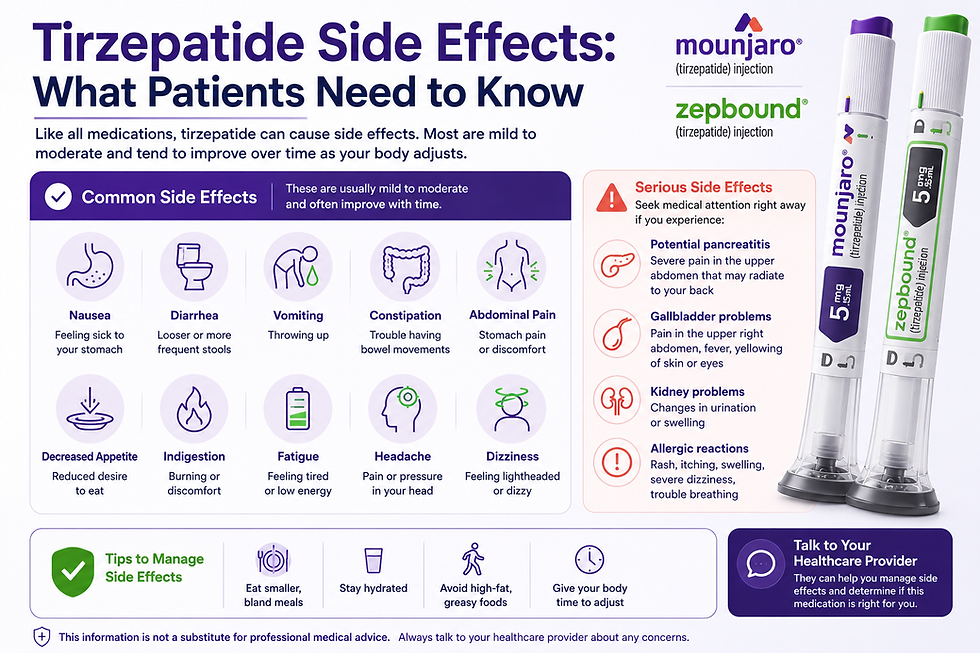
Appetite suppression controls how much someone eats, not what they eat. Since intake drops overall, nutritional density becomes the main lever left to manage — adequate protein to preserve muscle, and enough fiber and hydration to offset digestive side effects from slower gastric emptying. This is where structured tracking tends to matter more for GLP-1 users than for general dieters.
Written by Hattie Sykes, Manager at DietApp.com. This article is for general informational purposes and is not medical advice. Individual weight loss results vary; talk to your doctor about what to expect from a specific medication.


Comments