Liraglutide Side Effects: What Patients Need to Know | DietApp.com

Updated: Jul 12
Liraglutide Side Effects: What Patients Need to Know

Whether you've been prescribed Victoza® or Saxenda®, understanding what side effects to expect — and which ones need immediate medical attention — makes the first few weeks of treatment much less stressful. Here's a full breakdown based on current FDA prescribing information.
For general background, see Liraglutide Explained and Victoza vs. Saxenda.
Common Side Effects (Most Patients Experience Some of These)
The most frequently reported side effects with liraglutide, in both Victoza and Saxenda, are gastrointestinal:
Nausea — the most commonly reported side effect, especially during the first few weeks
Vomiting
Diarrhea
Constipation
Decreased appetite
Injection-site reactions — redness, itching, or mild swelling at the injection site
Headache
Fatigue
These tend to cluster around dose increases specifically, which is exactly why both medications use a slow titration schedule — starting at 0.6 mg and increasing gradually gives the body time to adjust before the next step up. Symptoms often lessen within the first several weeks at a given dose.
Less Common but Important Side Effects
Dehydration — from persistent nausea, vomiting, or diarrhea, which can in turn affect kidney function (see below)
Low blood sugar (hypoglycemia) — risk increases notably when liraglutide is combined with insulin or a sulfonylurea; less of a concern when used alone
Gallbladder problems, including gallstones
Injection site nodules or, rarely, changes in skin appearance at repeated injection sites — this is part of why site rotation is commonly recommended
Serious Warnings You Should Know About
Boxed warning — thyroid tumors. Both Victoza and Saxenda carry the FDA's most serious label warning: in rodent studies, liraglutide caused thyroid C-cell tumors, including a type called medullary thyroid carcinoma (MTC). It isn't known whether this risk applies to humans, but out of caution, liraglutide is contraindicated for anyone with a personal or family history of MTC or Multiple Endocrine Neoplasia syndrome type 2 (MEN 2). Tell your provider immediately if you notice a lump or swelling in your neck, hoarseness, trouble swallowing, or shortness of breath.
Pancreatitis. Cases of inflammation of the pancreas have been reported. Seek immediate medical attention for severe, persistent abdominal pain — with or without vomiting — since this can be a sign of pancreatitis.
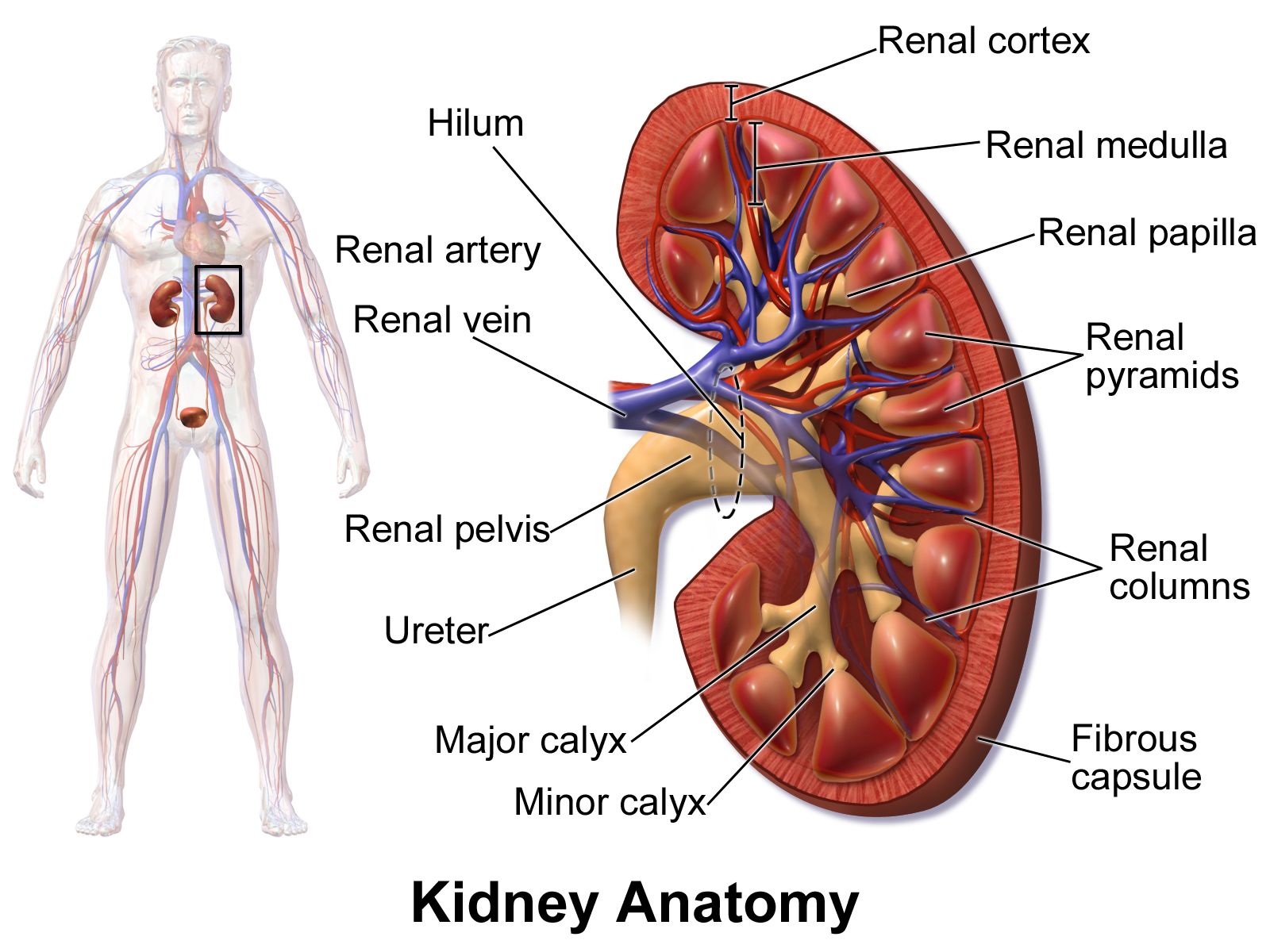
Kidney injury. Reports of acute kidney injury and worsening of existing kidney disease have occurred, generally linked to dehydration from GI side effects. Staying hydrated during treatment, especially if you're experiencing nausea or diarrhea, is one practical way to reduce this risk.
Serious allergic reactions. Though rare, symptoms like swelling of the face/lips/tongue, difficulty breathing, or a severe rash require emergency care.
Gallbladder disease, including gallstones requiring surgery, has been reported at a higher rate in patients on liraglutide than placebo in clinical trials.
When to Call Your Doctor vs. When to Seek Emergency Care
Contact your provider if:
Nausea, vomiting, or diarrhea is persistent or not improving after several weeks
You notice a new lump in your neck or persistent hoarseness
Injection-site reactions aren't resolving
Seek emergency care if:
You have severe abdominal pain that doesn't go away
You experience signs of a serious allergic reaction (facial swelling, difficulty breathing)
You have symptoms of severely low blood sugar (confusion, shakiness, rapid heartbeat) and it doesn't resolve with treatment
Why Tracking Side Effects Matters
One of the most common frustrations patients report is realizing a symptom pattern only in hindsight — "I wish I'd written down when this started" is a common reflection after the fact. Logging symptoms alongside your dose and injection date makes it much easier to spot whether something is titration-related and temporary, or worth flagging to your provider sooner. DietApp is built to track exactly this — dose, symptoms, hydration, and timing — in one place rather than trying to reconstruct it from memory at your next appointment.
FAQ
How long do liraglutide side effects last?Most GI side effects are most noticeable in the first few weeks after starting or increasing a dose, and tend to improve as the body adjusts — but timelines vary by individual.
Are side effects worse with Saxenda than Victoza?Since both use the same active ingredient and similar titration logic, the side effect profile is largely similar; Saxenda's higher maintenance dose (3 mg vs. 1.8 mg) means some patients experience more noticeable GI effects at the higher end of titration.
Can I prevent nausea from liraglutide?Eating smaller, slower meals and stopping when full — rather than continuing out of habit — is commonly suggested. Discuss persistent nausea with your provider rather than trying to push through severe symptoms.
Is weight loss itself a side effect?For Saxenda, weight loss is the intended treatment effect. For Victoza, some weight loss has been observed as a secondary effect, but it isn't the approved purpose of the medication.
Written by Hattie Sykes, Manager at DietApp.com. This article is for general informational purposes only and is not medical advice. If you're experiencing severe or concerning symptoms, contact your healthcare provider or seek emergency care.

Comments